Insights
What Drives the Cost of 3D Renders in South Africa
What Drives the Cost of 3D Renders in South Africa
What Drives the Cost of 3D Renders in South Africa
Why one render costs more than another: views, modelling, landscaping, aerials and revisions explained – so you can brief for the budget you have.
Why one render costs more than another: views, modelling, landscaping, aerials and revisions explained – so you can brief for the budget you have.
Every week someone asks us "how much is a render?" and the honest answer is: it depends on what we have to build before we can press render. Here are the five things that move the number, and how to keep each one under control.
1. How many views, not how many buildings
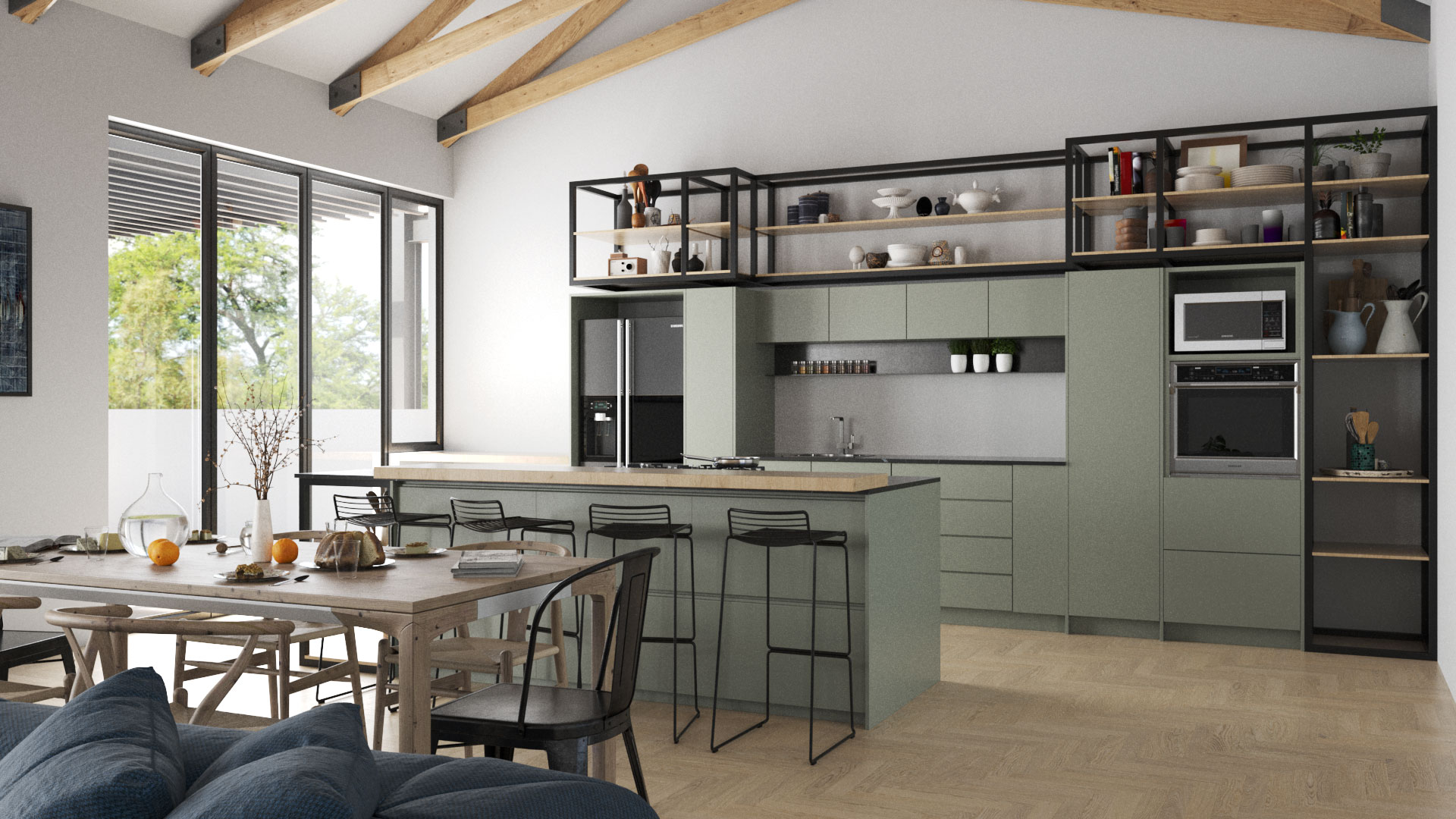
We price per view, because each camera angle is its own composition: its own lighting pass, its own foreground, its own post-production. Six views of one house cost more than one view of six houses. Decide early which angles actually sell the project – usually it's two or three – and put the budget there.
2. Whether a model exists
If you send a Revit or SketchUp model, we spend our hours on light and materials. If we're building from PDFs, we spend the first days modelling. Both are fine; one is cheaper. See what to send your visualiser for the file list.

3. Terrain, landscaping and context
A flat site with a lawn is quick. Survey-accurate contours, a mature garden design or a modelled streetscape are real work. For most residential and development marketing, a believable context beats an exact one – we model the ground plane and what the camera sees, nothing more.
4. Aerials and animation
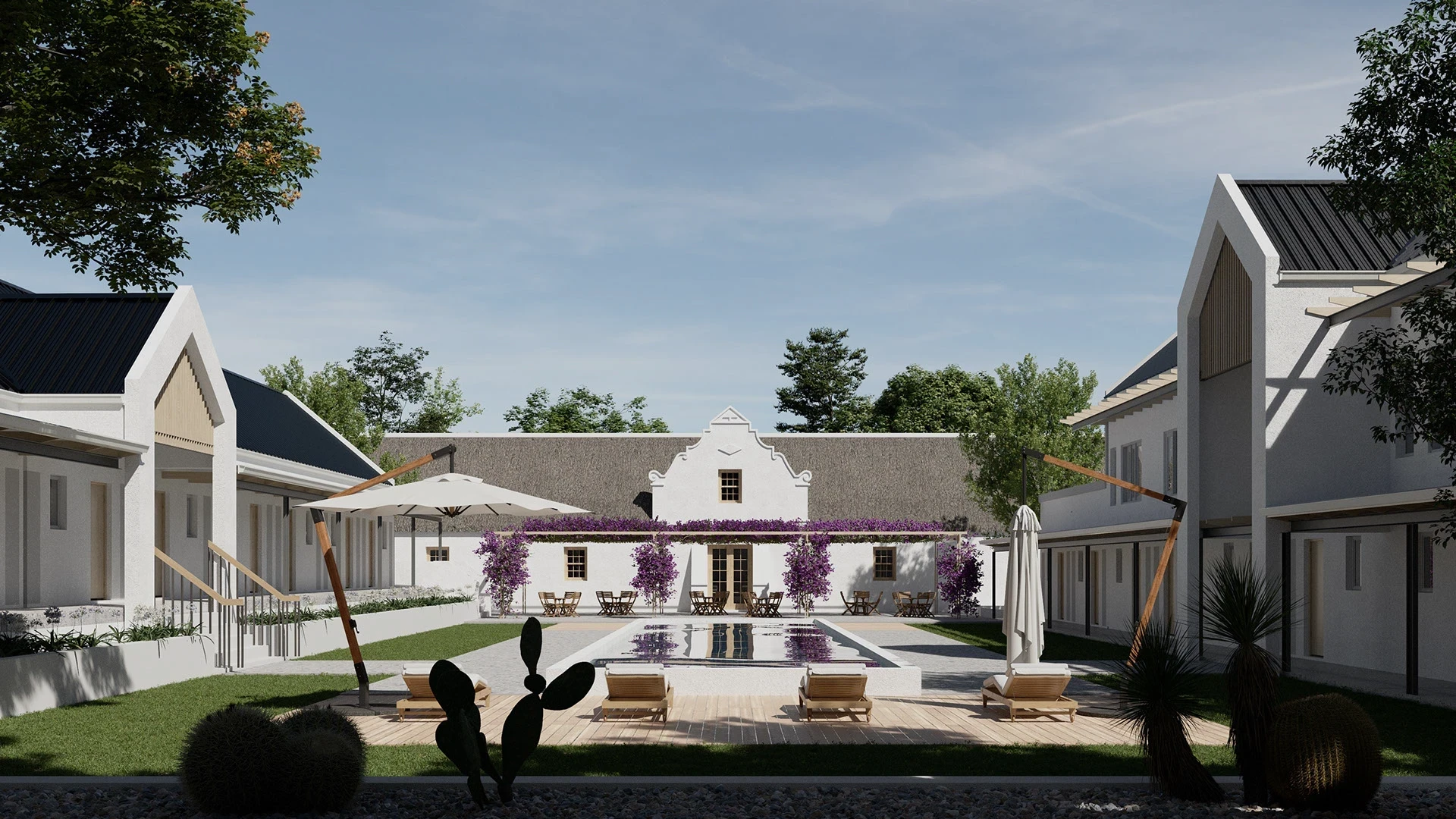
Bird's-eye views need the whole site and its neighbours modelled, so they cost more than an eye-level shot. Walkthrough animation is priced per second of final footage. If you need an aerial, say so in the brief so we model to it from day one.


5. Revisions
We work on a fair-use basis rather than a fixed count, because we want the image right. What revisions do is move the delivery date. Approving camera angles at stage one – before lighting and materials – is the single biggest thing you can do to keep both the cost and the timeline where they were quoted. The stages are explained in clay render vs final render.

How we quote
A 50% deposit starts the job; the balance is due on delivery. Product work like Jeeves and Heatwave is usually quoted per scene; architectural work like House Wolmerans per view. Send us the plans and a sentence about what the images are for, and you'll have a number the same day – get a quote here.
Latest Blogs
Insights
What Drives the Cost of 3D Renders in South Africa
What Drives the Cost of 3D Renders in South Africa
What Drives the Cost of 3D Renders in South Africa
Why one render costs more than another: views, modelling, landscaping, aerials and revisions explained – so you can brief for the budget you have.
Why one render costs more than another: views, modelling, landscaping, aerials and revisions explained – so you can brief for the budget you have.
Every week someone asks us "how much is a render?" and the honest answer is: it depends on what we have to build before we can press render. Here are the five things that move the number, and how to keep each one under control.
1. How many views, not how many buildings
We price per view, because each camera angle is its own composition: its own lighting pass, its own foreground, its own post-production. Six views of one house cost more than one view of six houses. Decide early which angles actually sell the project – usually it's two or three – and put the budget there.
2. Whether a model exists
If you send a Revit or SketchUp model, we spend our hours on light and materials. If we're building from PDFs, we spend the first days modelling. Both are fine; one is cheaper. See what to send your visualiser for the file list.
3. Terrain, landscaping and context
A flat site with a lawn is quick. Survey-accurate contours, a mature garden design or a modelled streetscape are real work. For most residential and development marketing, a believable context beats an exact one – we model the ground plane and what the camera sees, nothing more.
4. Aerials and animation
Bird's-eye views need the whole site and its neighbours modelled, so they cost more than an eye-level shot. Walkthrough animation is priced per second of final footage. If you need an aerial, say so in the brief so we model to it from day one.
5. Revisions
We work on a fair-use basis rather than a fixed count, because we want the image right. What revisions do is move the delivery date. Approving camera angles at stage one – before lighting and materials – is the single biggest thing you can do to keep both the cost and the timeline where they were quoted. The stages are explained in clay render vs final render.
How we quote
A 50% deposit starts the job; the balance is due on delivery. Product work like Jeeves and Heatwave is usually quoted per scene; architectural work like House Wolmerans per view. Send us the plans and a sentence about what the images are for, and you'll have a number the same day – get a quote here.
Latest Blogs
Insights
What Drives the Cost of 3D Renders in South Africa
What Drives the Cost of 3D Renders in South Africa
What Drives the Cost of 3D Renders in South Africa
Why one render costs more than another: views, modelling, landscaping, aerials and revisions explained – so you can brief for the budget you have.
Why one render costs more than another: views, modelling, landscaping, aerials and revisions explained – so you can brief for the budget you have.
Every week someone asks us "how much is a render?" and the honest answer is: it depends on what we have to build before we can press render. Here are the five things that move the number, and how to keep each one under control.
1. How many views, not how many buildings
We price per view, because each camera angle is its own composition: its own lighting pass, its own foreground, its own post-production. Six views of one house cost more than one view of six houses. Decide early which angles actually sell the project – usually it's two or three – and put the budget there.
2. Whether a model exists
If you send a Revit or SketchUp model, we spend our hours on light and materials. If we're building from PDFs, we spend the first days modelling. Both are fine; one is cheaper. See what to send your visualiser for the file list.
3. Terrain, landscaping and context
A flat site with a lawn is quick. Survey-accurate contours, a mature garden design or a modelled streetscape are real work. For most residential and development marketing, a believable context beats an exact one – we model the ground plane and what the camera sees, nothing more.
4. Aerials and animation
Bird's-eye views need the whole site and its neighbours modelled, so they cost more than an eye-level shot. Walkthrough animation is priced per second of final footage. If you need an aerial, say so in the brief so we model to it from day one.
5. Revisions
We work on a fair-use basis rather than a fixed count, because we want the image right. What revisions do is move the delivery date. Approving camera angles at stage one – before lighting and materials – is the single biggest thing you can do to keep both the cost and the timeline where they were quoted. The stages are explained in clay render vs final render.
How we quote
A 50% deposit starts the job; the balance is due on delivery. Product work like Jeeves and Heatwave is usually quoted per scene; architectural work like House Wolmerans per view. Send us the plans and a sentence about what the images are for, and you'll have a number the same day – get a quote here.