Insights
Dec 23, 2025
How 3D Renders Sell Properties Faster in SA
How 3D Renders Sell Properties Faster in SA
How 3D Renders Sell Properties Faster in SA
Sell property that doesn't exist yet. Strategic 3D architectural visualisation for South African developers. Close deals while the competition waits.
Sell property that doesn't exist yet. Strategic 3D architectural visualisation for South African developers. Close deals while the competition waits.
The Off-Plan Problem Every Developer Faces
You've got the land. You've got the plans. You've got the vision. But your buyer is staring at a flat 2D floor plan and an empty plot of dirt, trying to imagine their future home or investment.
They can't see it. And what people can't see, they don't buy.
This is the off-plan problem. You're asking someone to hand over hundreds of thousands—sometimes millions—of rands based on imagination. Architects understand floor plans. Engineers read technical drawings. But buyers? Buyers need to feel something. They need to picture themselves walking through the entrance, standing in the kitchen, watching sunset from the balcony.
The developers who struggle with off-plan sales aren't offering bad properties. They're offering invisible ones. And in a market where buyers have endless options and limited patience, invisible doesn't sell.
The ones consistently hitting pre-sales targets have figured out how to make the invisible visible—before the foundation is even poured.
What Quality Visualization Actually Does
A 3D render isn't just a pretty picture. It's a decision-making tool that removes the single biggest barrier to off-plan sales: uncertainty.
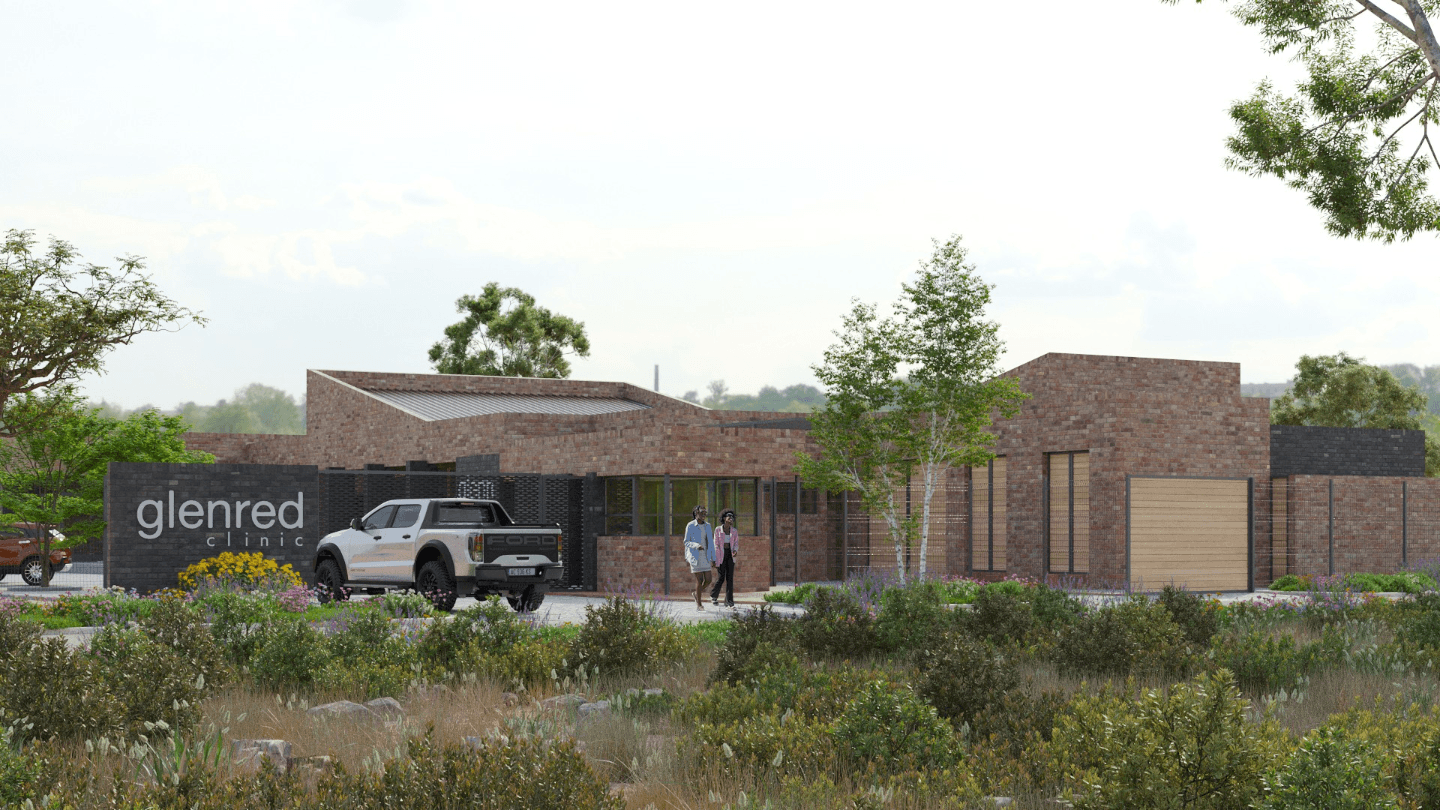
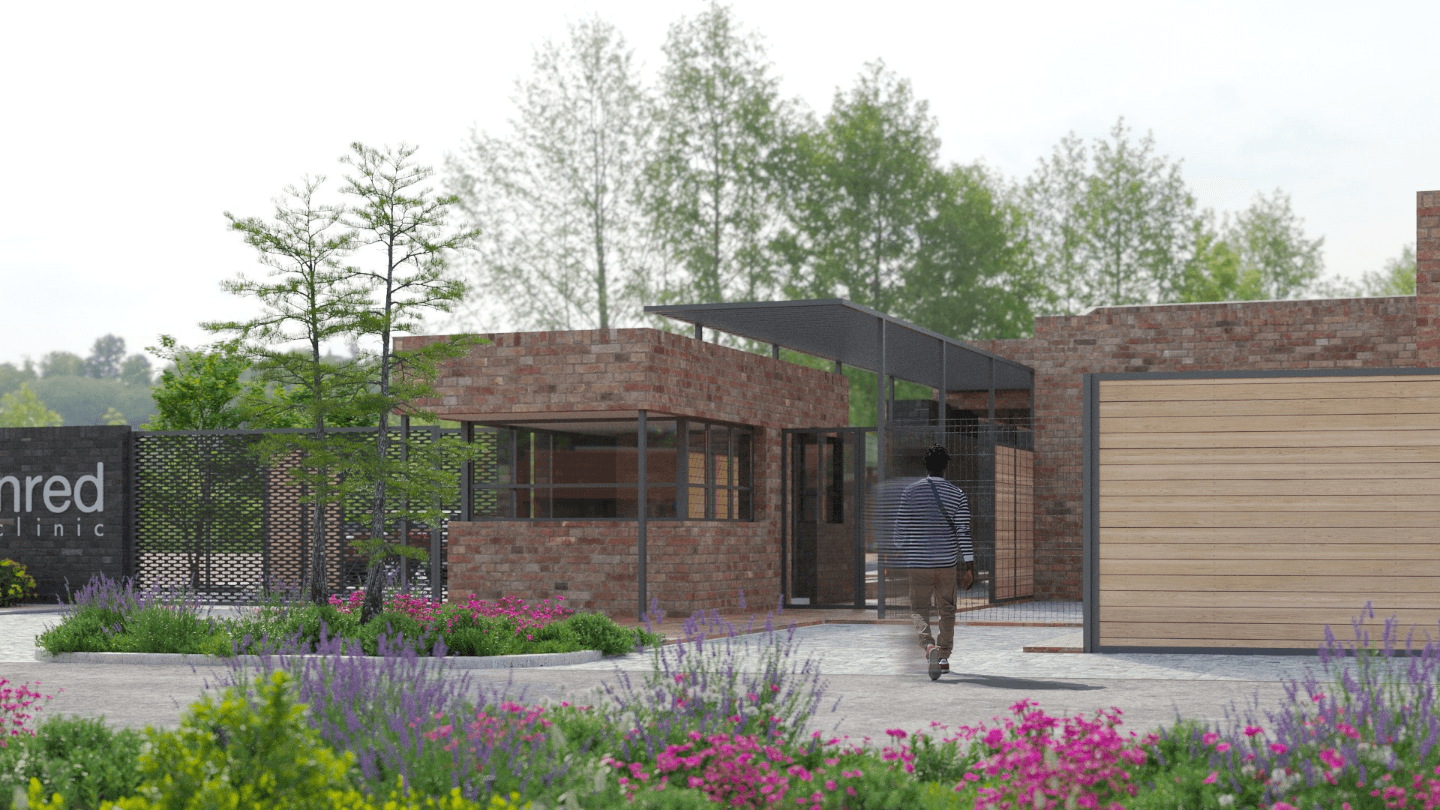
It builds instant trust. When a buyer sees a photorealistic image of your development, something shifts. The project stops being a concept and becomes real. That psychological shift is where sales happen.
It answers questions before they're asked. What will the building look like from the street? How does natural light hit the living areas? What's the view from the third floor? Quality renders answer all of this without a single site visit.
It positions your development above competitors. When buyers compare your photorealistic marketing package against a competitor's basic floor plans, you've already won. You look established, professional, and confident in what you're building.
It shortens the sales cycle dramatically. Buyers who can see exactly what they're getting make decisions faster. Less back-and-forth, fewer objections, quicker signatures. Developments with strong visual marketing consistently report faster sales velocity and fewer deals falling through.
The render doesn't just show your property. It sells the lifestyle, the aspiration, the future your buyer wants to live in.
Where Developers Get It Wrong
Not all 3D renders are created equal. Some developers invest in visualisation and see incredible returns. Others spend money on renders that do nothing. The difference comes down to approach:
Cheap renders damage credibility. Budget visualisation with poor lighting, unrealistic textures, or awkward proportions doesn't just fail to help—it actively hurts. Buyers sense something is off, even if they can't articulate it. That subconscious doubt kills deals.
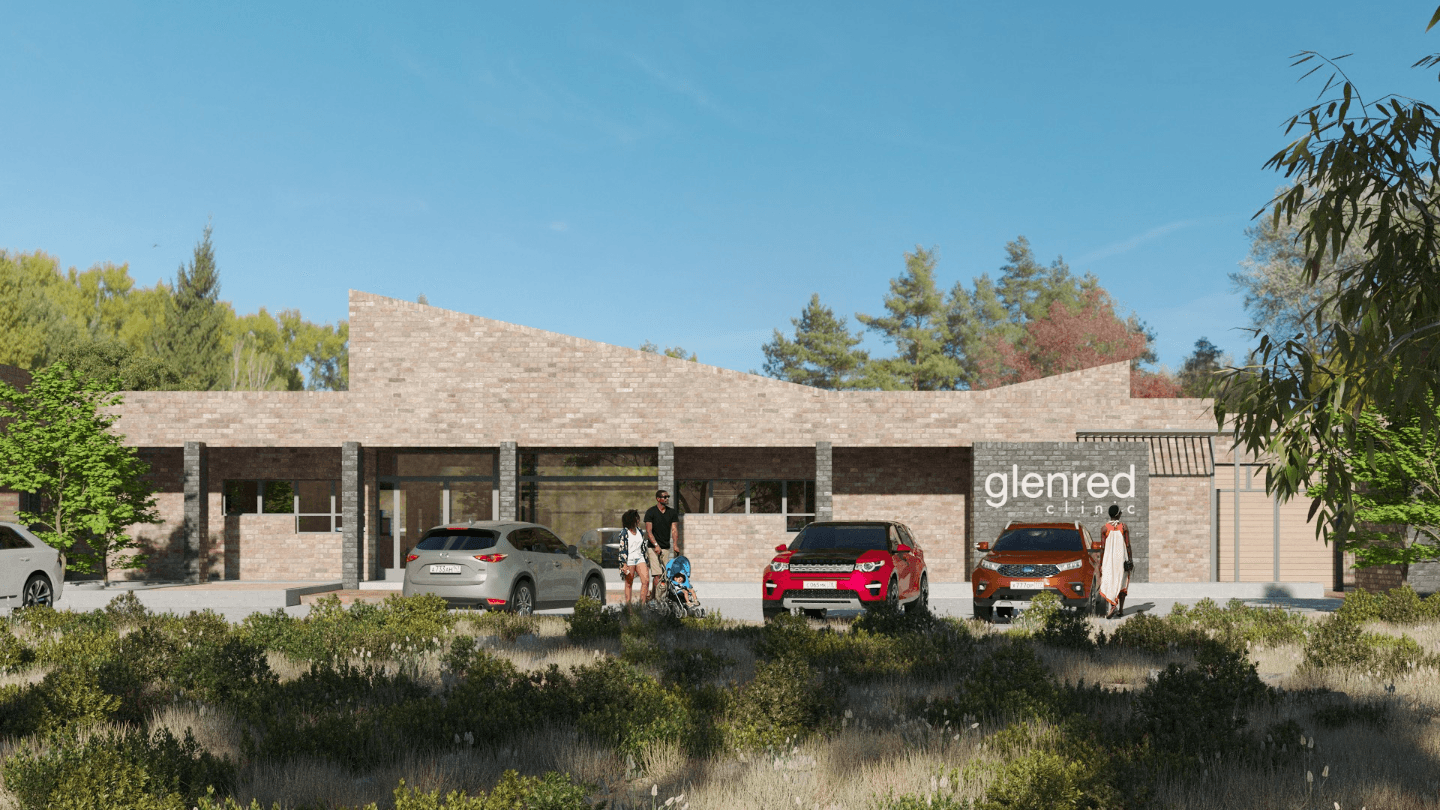
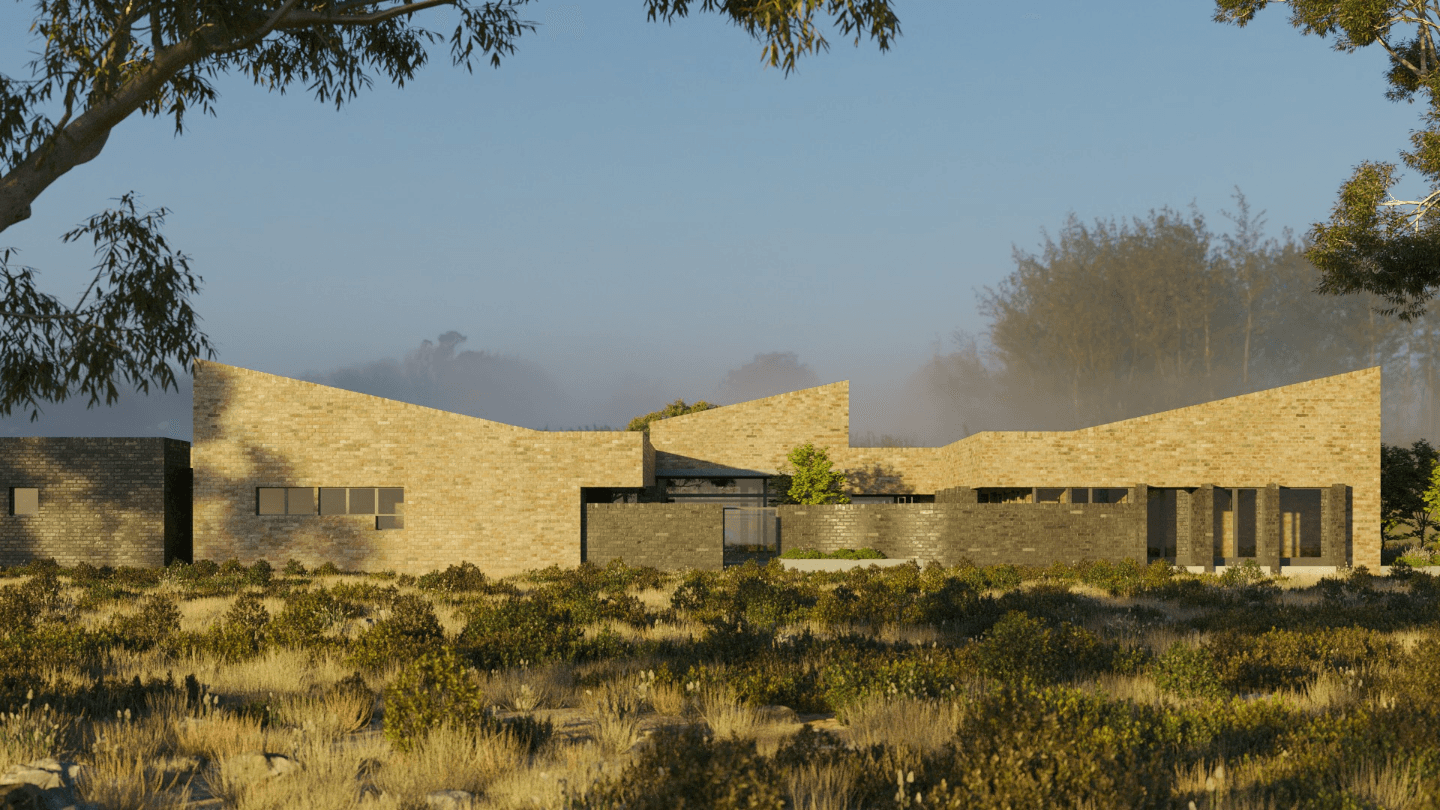
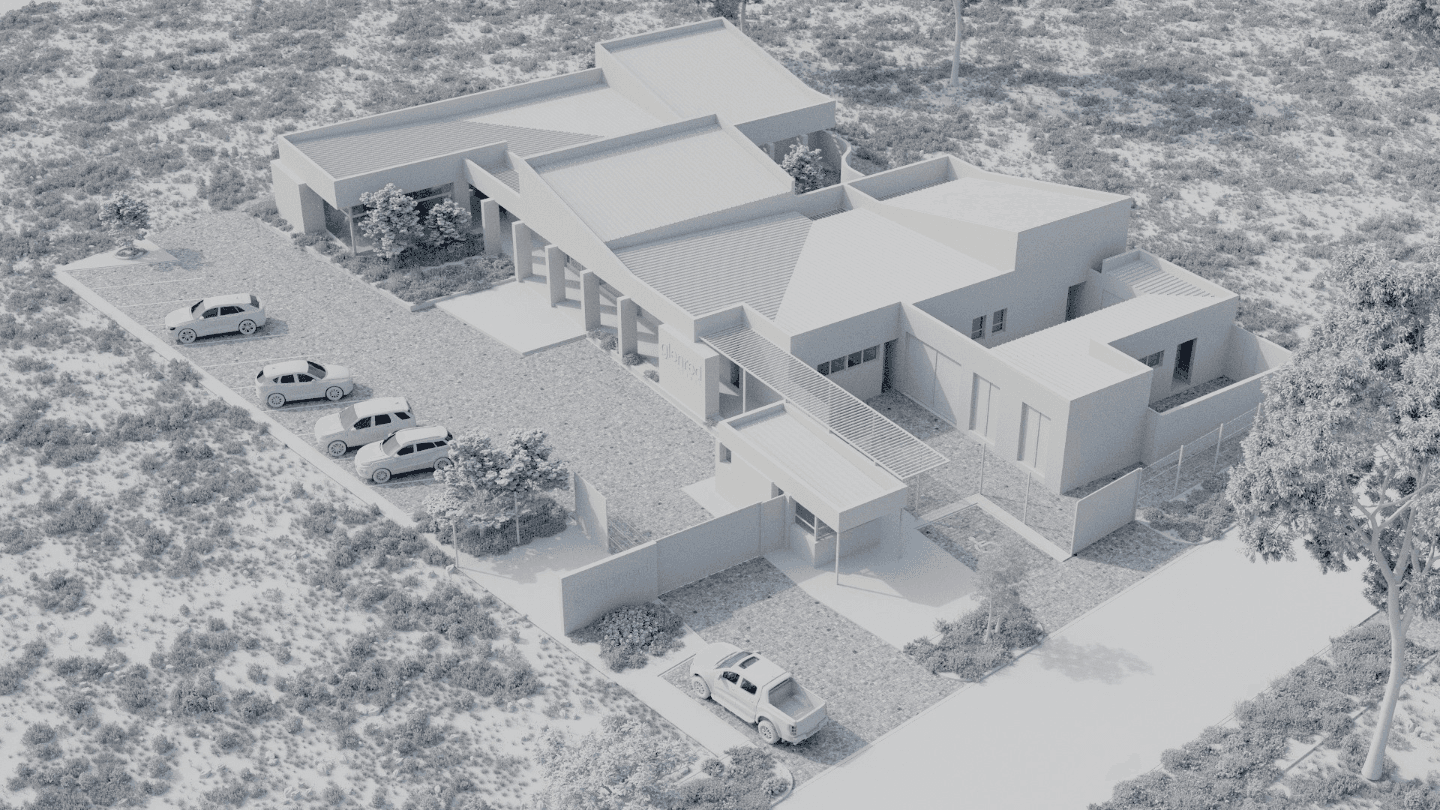
Generic renders miss the opportunity. A render that could be anywhere is less compelling than one that feels authentically placed. The right vegetation, accurate lighting for your orientation, and context that matches the actual location all matter.
Single-image thinking limits impact. One exterior shot isn't a marketing strategy. The developers who maximise their investment think in terms of packages—exteriors, interiors, aerials, lifestyle shots, dusk renders. Different images serve different purposes across different channels.
Leaving it too late wastes potential. The biggest mistake is treating renders as an afterthought. The developers who win start their visual marketing before they need it—building anticipation, gathering interest, and creating a pipeline before construction begins.
Visualisation is a strategic investment. When approached correctly, it's one of the highest-ROI marketing tools in property development.
Making Visualization Work for Your Development
If you're developing property in South Africa—residential, commercial, or mixed-use—here's how to get maximum value from 3D visualisation:
Start early. Commission renders as soon as your designs are finalised. Use them to test market interest, secure investor confidence, and build a buyer pipeline before you break ground.
Brief thoroughly. The quality of your output depends on the quality of your input. Provide detailed plans, material specifications, reference images for the look and feel you want, and context about your target buyer. The more your visualisation partner understands, the better the result.
Think beyond single images. Consider what you need for your website, social media, print brochures, signage, and presentations. Planning your full visual marketing package upfront is more cost-effective than piecemeal additions later.
Choose capability over cost. A R10,000 render that helps you sell a R4 million unit three weeks faster has paid for itself many times over. The cheapest quote rarely delivers the outcome you need.
The developers consistently outperforming their market aren't guessing. They're showing buyers exactly what they're buying—and making it impossible to say no.
Ready to see what your development could look like? Let's talk about bringing your project to life before it's built.
Latest Blogs



Insights
Dec 23, 2025
How 3D Renders Sell Properties Faster in SA
How 3D Renders Sell Properties Faster in SA
How 3D Renders Sell Properties Faster in SA
Sell property that doesn't exist yet. Strategic 3D architectural visualisation for South African developers. Close deals while the competition waits.
Sell property that doesn't exist yet. Strategic 3D architectural visualisation for South African developers. Close deals while the competition waits.
The Off-Plan Problem Every Developer Faces
You've got the land. You've got the plans. You've got the vision. But your buyer is staring at a flat 2D floor plan and an empty plot of dirt, trying to imagine their future home or investment.
They can't see it. And what people can't see, they don't buy.
This is the off-plan problem. You're asking someone to hand over hundreds of thousands—sometimes millions—of rands based on imagination. Architects understand floor plans. Engineers read technical drawings. But buyers? Buyers need to feel something. They need to picture themselves walking through the entrance, standing in the kitchen, watching sunset from the balcony.
The developers who struggle with off-plan sales aren't offering bad properties. They're offering invisible ones. And in a market where buyers have endless options and limited patience, invisible doesn't sell.
The ones consistently hitting pre-sales targets have figured out how to make the invisible visible—before the foundation is even poured.
What Quality Visualization Actually Does
A 3D render isn't just a pretty picture. It's a decision-making tool that removes the single biggest barrier to off-plan sales: uncertainty.
It builds instant trust. When a buyer sees a photorealistic image of your development, something shifts. The project stops being a concept and becomes real. That psychological shift is where sales happen.
It answers questions before they're asked. What will the building look like from the street? How does natural light hit the living areas? What's the view from the third floor? Quality renders answer all of this without a single site visit.
It positions your development above competitors. When buyers compare your photorealistic marketing package against a competitor's basic floor plans, you've already won. You look established, professional, and confident in what you're building.
It shortens the sales cycle dramatically. Buyers who can see exactly what they're getting make decisions faster. Less back-and-forth, fewer objections, quicker signatures. Developments with strong visual marketing consistently report faster sales velocity and fewer deals falling through.
The render doesn't just show your property. It sells the lifestyle, the aspiration, the future your buyer wants to live in.
Where Developers Get It Wrong
Not all 3D renders are created equal. Some developers invest in visualisation and see incredible returns. Others spend money on renders that do nothing. The difference comes down to approach:
Cheap renders damage credibility. Budget visualisation with poor lighting, unrealistic textures, or awkward proportions doesn't just fail to help—it actively hurts. Buyers sense something is off, even if they can't articulate it. That subconscious doubt kills deals.
Generic renders miss the opportunity. A render that could be anywhere is less compelling than one that feels authentically placed. The right vegetation, accurate lighting for your orientation, and context that matches the actual location all matter.
Single-image thinking limits impact. One exterior shot isn't a marketing strategy. The developers who maximise their investment think in terms of packages—exteriors, interiors, aerials, lifestyle shots, dusk renders. Different images serve different purposes across different channels.
Leaving it too late wastes potential. The biggest mistake is treating renders as an afterthought. The developers who win start their visual marketing before they need it—building anticipation, gathering interest, and creating a pipeline before construction begins.
Visualisation is a strategic investment. When approached correctly, it's one of the highest-ROI marketing tools in property development.
Making Visualization Work for Your Development
If you're developing property in South Africa—residential, commercial, or mixed-use—here's how to get maximum value from 3D visualisation:
Start early. Commission renders as soon as your designs are finalised. Use them to test market interest, secure investor confidence, and build a buyer pipeline before you break ground.
Brief thoroughly. The quality of your output depends on the quality of your input. Provide detailed plans, material specifications, reference images for the look and feel you want, and context about your target buyer. The more your visualisation partner understands, the better the result.
Think beyond single images. Consider what you need for your website, social media, print brochures, signage, and presentations. Planning your full visual marketing package upfront is more cost-effective than piecemeal additions later.
Choose capability over cost. A R10,000 render that helps you sell a R4 million unit three weeks faster has paid for itself many times over. The cheapest quote rarely delivers the outcome you need.
The developers consistently outperforming their market aren't guessing. They're showing buyers exactly what they're buying—and making it impossible to say no.
Ready to see what your development could look like? Let's talk about bringing your project to life before it's built.
Latest Blogs
Insights
Dec 23, 2025
How 3D Renders Sell Properties Faster in SA
How 3D Renders Sell Properties Faster in SA
How 3D Renders Sell Properties Faster in SA
Sell property that doesn't exist yet. Strategic 3D architectural visualisation for South African developers. Close deals while the competition waits.
Sell property that doesn't exist yet. Strategic 3D architectural visualisation for South African developers. Close deals while the competition waits.
The Off-Plan Problem Every Developer Faces
You've got the land. You've got the plans. You've got the vision. But your buyer is staring at a flat 2D floor plan and an empty plot of dirt, trying to imagine their future home or investment.
They can't see it. And what people can't see, they don't buy.
This is the off-plan problem. You're asking someone to hand over hundreds of thousands—sometimes millions—of rands based on imagination. Architects understand floor plans. Engineers read technical drawings. But buyers? Buyers need to feel something. They need to picture themselves walking through the entrance, standing in the kitchen, watching sunset from the balcony.
The developers who struggle with off-plan sales aren't offering bad properties. They're offering invisible ones. And in a market where buyers have endless options and limited patience, invisible doesn't sell.
The ones consistently hitting pre-sales targets have figured out how to make the invisible visible—before the foundation is even poured.
What Quality Visualization Actually Does
A 3D render isn't just a pretty picture. It's a decision-making tool that removes the single biggest barrier to off-plan sales: uncertainty.
It builds instant trust. When a buyer sees a photorealistic image of your development, something shifts. The project stops being a concept and becomes real. That psychological shift is where sales happen.
It answers questions before they're asked. What will the building look like from the street? How does natural light hit the living areas? What's the view from the third floor? Quality renders answer all of this without a single site visit.
It positions your development above competitors. When buyers compare your photorealistic marketing package against a competitor's basic floor plans, you've already won. You look established, professional, and confident in what you're building.
It shortens the sales cycle dramatically. Buyers who can see exactly what they're getting make decisions faster. Less back-and-forth, fewer objections, quicker signatures. Developments with strong visual marketing consistently report faster sales velocity and fewer deals falling through.
The render doesn't just show your property. It sells the lifestyle, the aspiration, the future your buyer wants to live in.
Where Developers Get It Wrong
Not all 3D renders are created equal. Some developers invest in visualisation and see incredible returns. Others spend money on renders that do nothing. The difference comes down to approach:
Cheap renders damage credibility. Budget visualisation with poor lighting, unrealistic textures, or awkward proportions doesn't just fail to help—it actively hurts. Buyers sense something is off, even if they can't articulate it. That subconscious doubt kills deals.
Generic renders miss the opportunity. A render that could be anywhere is less compelling than one that feels authentically placed. The right vegetation, accurate lighting for your orientation, and context that matches the actual location all matter.
Single-image thinking limits impact. One exterior shot isn't a marketing strategy. The developers who maximise their investment think in terms of packages—exteriors, interiors, aerials, lifestyle shots, dusk renders. Different images serve different purposes across different channels.
Leaving it too late wastes potential. The biggest mistake is treating renders as an afterthought. The developers who win start their visual marketing before they need it—building anticipation, gathering interest, and creating a pipeline before construction begins.
Visualisation is a strategic investment. When approached correctly, it's one of the highest-ROI marketing tools in property development.
Making Visualization Work for Your Development
If you're developing property in South Africa—residential, commercial, or mixed-use—here's how to get maximum value from 3D visualisation:
Start early. Commission renders as soon as your designs are finalised. Use them to test market interest, secure investor confidence, and build a buyer pipeline before you break ground.
Brief thoroughly. The quality of your output depends on the quality of your input. Provide detailed plans, material specifications, reference images for the look and feel you want, and context about your target buyer. The more your visualisation partner understands, the better the result.
Think beyond single images. Consider what you need for your website, social media, print brochures, signage, and presentations. Planning your full visual marketing package upfront is more cost-effective than piecemeal additions later.
Choose capability over cost. A R10,000 render that helps you sell a R4 million unit three weeks faster has paid for itself many times over. The cheapest quote rarely delivers the outcome you need.
The developers consistently outperforming their market aren't guessing. They're showing buyers exactly what they're buying—and making it impossible to say no.
Ready to see what your development could look like? Let's talk about bringing your project to life before it's built.